

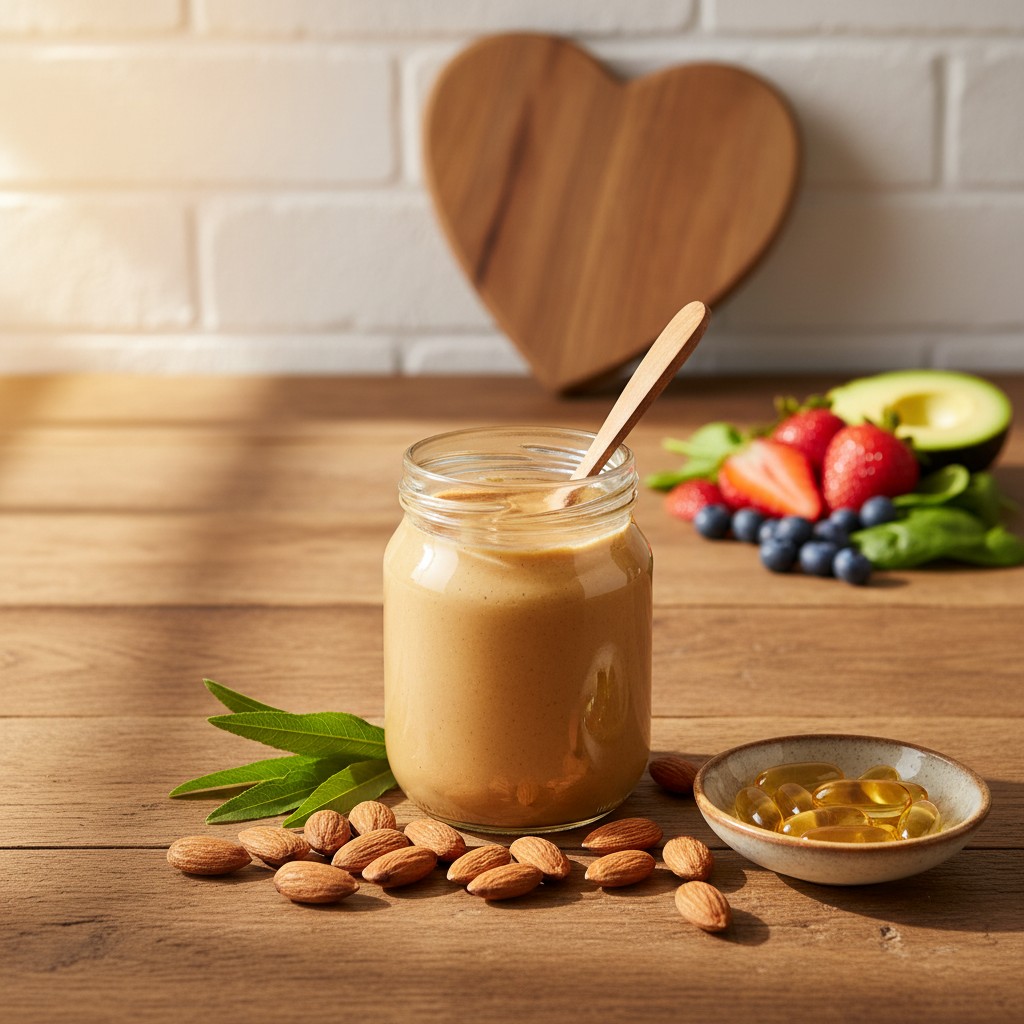
For decades, the nut butter aisle was a lonely place. It was ruled by creamy and crunchy peanut butter, with maybe a dusty jar of tahini thrown into the corner. But head into any grocery store now and choices abound. Cashew, walnut, sunflower seed and pistachio butters compete for shelf space. However, among all these contenders, almond butter has risen to become the favourite among health-savvy and foodies alike.
Though it may sound like yet another wellness trend, almond butter’s surge in popularity is supported by some pretty impressive nutrition facts. It’s not only the best spread for your morning toast, but it also packs quite a nerve-boosting punch. From promoting heart health to delivering a healthy glow to your skin, this rich spread isn’t just for the pantry.
If you have been afraid to make the transition from your childhood pb of choice or just a wellness guru joking about better eats, these benefits specific to almonds will get ya straightened out. Here’s why almond butter merits a permanent place in your pantry.
The Nutritional Powerhouse in a Jar
To see why almond butter has such a calming effect, you need to look at what’s inside an individual almond. They are dense with calories and nutrients. Ground into butter, those nutrients are readily digestible and highly versatile in the kitchen.
A regular two-tablespoon serving of almond butter actually packs a serious punch. It provides a high level of plant-based protein, which is important for muscle repair and development. It is also high in healthy monounsaturated fats, the type that nutritionists recommend we eat more of.
Behind the macros, almond butter does wonders for your micronutrient intake. It’s one of the best natural sources of Vitamin E — a powerful antioxidant that helps protect your cells from damage. It is also rich in magnesium, potassium, and iron. Unlike some other highly processed spreads which contain hydrogenated olive oil or high levels of added sugars, this heart-friendly product is real food! This product is a significantly healthier alternative to peanut butter.
Fibre for Digestion
One often-overlooked benefit is fibre. Almonds contain more fibre than peanuts, which aid digestion and help maintain a healthy gut microbiome. A high-fibre diet is crucial for keeping your digestive system regular and can even lower your risk of chronic diseases.
A Champion for Heart Health
The world continues to suffer from rampant heart disease, but it is in large part preventable with the right diet. Including almond butter in your diet is a tasty way to help keep your heart healthy.
The star player here is monounsaturated fat. This good fat can lower (low-density lipoprotein) LDL cholesterol (commonly known as “bad” cholesterol). High levels of LDL can cause plaque to form inside your arteries, raising the risk of a heart attack and stroke. When you replace saturated fats in your diet—such as those from animal products—with monounsaturated fats found in almonds, you are providing a health benefit that helps keep your arteries as clear as possible.
Almond butter also contains magnesium, which helps regulate blood pressure. Magnesium is a natural vasodilator, which means it helps blood vessels relax so blood can move more freely. This double-whammy of cholesterol control and blood pressure support earns almond butter well-deserved props as an honest-to-god heart-healthy food.
Supporting Weight Management
It may seem counterintuitive to eat a high-calorie, high-fat food when you’re trying to lose weight. Yet when it comes to nuts, studies continue to indicate that eating nuts does not lead people to gain weight and may even help them lose weight.
The secret lies in satiety. Almond butter is also very high in protein, fibre, and healthy fats, making it super-filling. You can add a spoonful to your oatmeal or smear it on apple slices to help curb your hunger for hours after eating, which, in turn, can help you avoid snacking on empty calories later.
Stabilizing Blood Sugar
Blood sugar regulation is also important for weight management. Almond butter is low on the glycemic index, so it’s metabolised more slowly in our systems and doesn’t spike our blood sugar as quickly. This stability eliminates the “crash” experienced after carbohydrate-rich meals, which is one of the reasons we get fatigued and need sugar immediately afterwards. For anyone trying to pay closer attention to their sugar levels, almond butter is a great, filling source of energy.
Glowing Skin and Strong Bones
The goodness of almond butter is not limited to your insides; it shows on the outside as well. Vitamin E, a potent antioxidant that helps increase the skin’s radiance, can typically be found in large quantities in almonds as well.
Vitamin E protects skin cells from environmental pollutants and UV radiation. It helps with skin, may improve the appearance of fine lines, and leaves your complexion looking fresh.
For bone health, almonds have a unique advantage over other nuts: their calcium content. Dairy may be the most well-known source of calcium, but almonds are a great plant-based option. Bone density and strength depend on calcium, especially as we get older. Paired with magnesium (which aids calcium absorption in your body), almond butter is a helpful skeletal snack.
Beyond the Sandwich: Versatile Usage
One of the biggest hurdles people face when adopting healthy foods is figuring out how to eat them. Fortunately, almond butter is incredibly versatile and works in both sweet and savoury dishes.
- The Breakfast Boost: Swirl a tablespoon into your morning oatmeal or yoghurt bowl. It adds creaminess and keeps you full until lunch.
- Power Smoothies: Add a scoop to a banana-spinach smoothie. The fat helps your body absorb fat-soluble vitamins (like Vitamin A and K) from the greens.
- Savoury Sauces: Almond butter makes an excellent base for sauces. Whisk it with soy sauce, ginger, garlic, and lime juice for a delicious almond satay sauce to pour over noodles or stir-fried vegetables.
- Healthier Baking: You can often swap butter or oil for almond butter in cookie and brownie recipes. It adds moisture and a subtle nutty flavour while boosting the nutritional value of your treats.
Making the Right Choice
All almond butters are not equal. And to get the full health benefits, you’ll want to read the nutrition label carefully.
The ideal almond butter should need only one or two ingredients: almonds and maybe a tiny pinch of salt. Unfollow brands that add palm oil to prevent separation, as this adds extra unwanted saturated fat. You should also avoid jars sweetened with added sugars or high-fructose corn syrup, as these will cancel out the nuts’ benefits for stabilising blood sugar.
If the jar has a layer of oil on top, no problem. That’s the sign of a natural product. Just stir it back in before using.
When it comes to almond butter, there’s a lot more than simply a trendy peanut butter substitute. Despite its love-it-or-hate-it flavour, due to its contribution to heart health, weight control, and the vitamins it provides for skin and bones, it is a functional superfood that will have no trouble justifying its place on your plate. Your body will thank you with each spoonful — whether you add it to a smoothie or eat it straight-up.
