

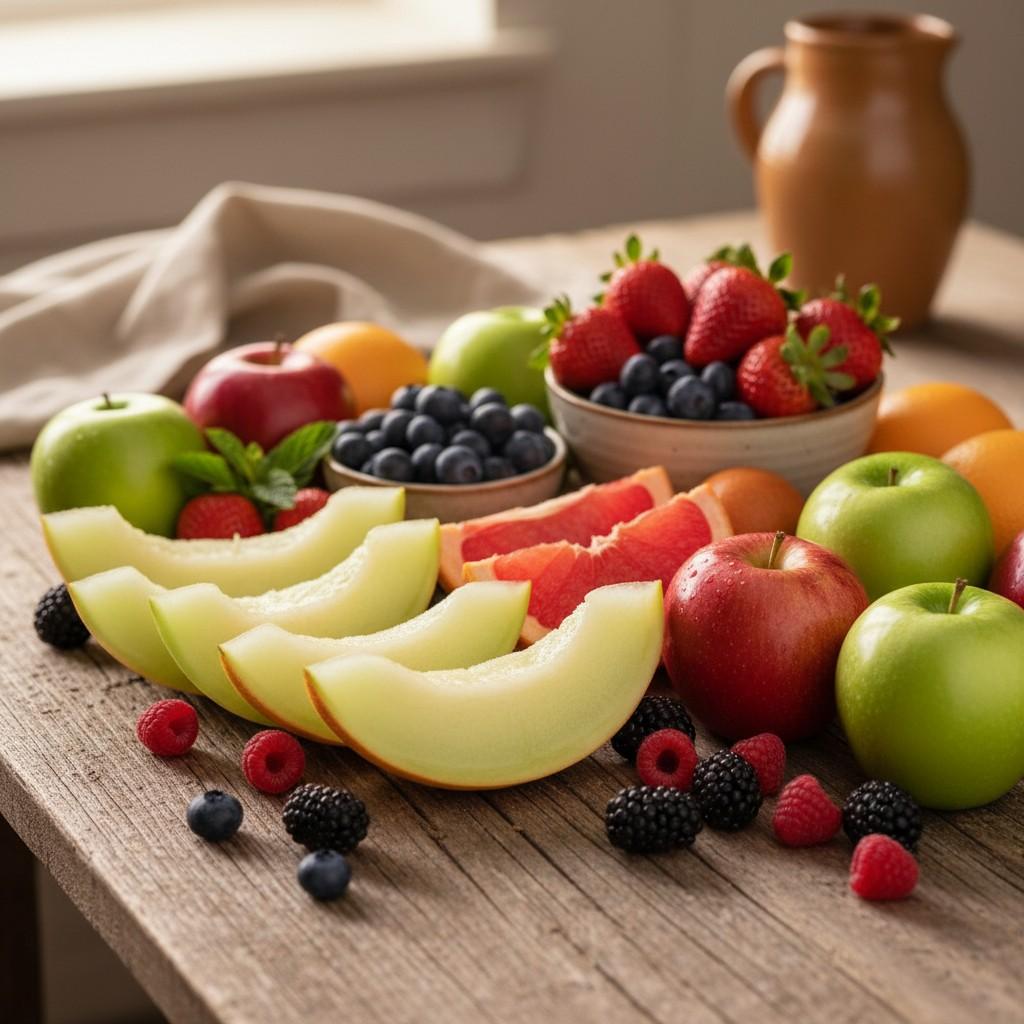
Want to enjoy what you eat while dropping a dress size or two? The solution is in your kitchen! Some studies have shown that some fresh fruits can help with your satisfaction level. They can help you eat fewer total calories over the day because they regulate blood sugar levels, help avoid eating spikes, and provide the nutrients we require.
A 24-year longitudinal study that followed 118,000 participants showed that, on average, participants lost 0.5 pounds over the study period for each additional serving of fruit that they ate per day. It is also worth noting that when it comes to the type of fruit you decide to eat, some are more beneficial for achieving the goal of weight loss. Apples, pears, and other berries are more effective compared to other fruits.
High-Fiber Fruits Keep You Satisfied
The key to keeping your appetite in check is fiber. When it comes to packing in that good fiber, fruits that are high in it are great. This is because it slows our digestive system and makes us skip meals more often.
Berries are great for helping to help with curbing your appetite. They are low in calories and high in fiber, meaning they are perfect to help with appetite. Also, with their natural sweetness, you can trick your brain into thinking you are satisfying that sweet tooth.
The great thing with apples and pears is that they are similar to berries. An apple can contain up to 4 grams of fiber, and that’s under 100 calories! This is what research shows: eating whole fruits is a lot more effective in helping with your appetite rather than drinking fruit juice, even if it has the same amount of calories.
Low-Calorie Options for Sweet Cravings
When you want something sweet but don’t want to derail your progress, reach for grapefruit or melons.
Grapefruit is known for its possible weight loss benefits. In a 12-week study in obese adults, those who consumed half a fresh grapefruit prior to each meal lost an average of 1.6 kg, while the control group lost just 0.3 kg. Since grapefruit contains about 91% of water, it is a great mood control food.
Important note: Grapefruit and grapefruit juice can interact with more than 85 medications by affecting how your body metabolizes them. If you take prescription medications, check with your healthcare provider before adding grapefruit to your routine.
Watermelon and cantaloupe offer similar benefits. Their high water content adds volume without calories, helping you feel satisfied. While watermelon has a higher glycemic index, eating it in reasonable portions as part of a balanced meal keeps blood sugar steady.
Understanding the Glycemic Index
The glycemic index (GI) ranks carbohydrate-containing foods on a scale of 0 to 100 based on how quickly they raise blood sugar levels after eating. This can be a useful tool for choosing fruits that provide sustained energy rather than blood sugar spikes and crashes.
- Low GI (55 or below): Raises blood sugar slowly. Examples include strawberries, raspberries, pears, apples, oranges, and grapes.
- Medium GI (56 to 69): Raises blood sugar at a moderate rate. Examples include cantaloupe, pineapple, and overripe bananas.
- High GI (70 or more): Raises blood sugar quickly. Example: watermelon.
Most fruits fall into the low or medium GI category, making them smart choices for maintaining steady energy levels throughout the day. Lower GI fruits can help prevent the energy crashes that often lead to reaching for unhealthy snacks.
Practical Tips for Busy Professionals
Incorporating weight-loss-friendly fruits into a packed schedule doesn’t have to be complicated:
Prep ahead: Wash and portion berries into grab-and-go containers on Sunday evening. Keep pre-cut apple slices in the fridge with a squeeze of lemon juice to prevent browning.
Strategic snacking: Pair fruit with protein or healthy fat for even greater satiety. Try apple slices with almond butter, or Greek yogurt topped with berries.
Meal preludes: Eat half a grapefruit or a small bowl of berries 15 minutes before lunch or dinner. This simple habit can help you consume fewer calories during the main meal.
Desk drawer essentials: Stock dried apricots or freeze-dried berries for emergency snacks. Choose unsweetened varieties to avoid added sugars.
Smoothie shortcuts: Blend frozen berries with spinach and protein powder for a nutrient-dense breakfast that takes minutes to prepare.
A Balanced Approach to Long-Term Wellness
Weight loss is a gradual process. What is important is a routine based on the unique, diverse, and healthy foods in the anti-weight-gain program. The fruits described are examples for enrichment of a diverse healthy diet, along with vegetables, fish, wholemeal bread, and oils of good quality.
Eating habits strengthen the diet; this is the behavior of health professionals. The various and healthy requirements of the anti-weight-gain diet are fulfilled in a routine and enjoyable way.
The process of weight loss is a journey. Increased fiber and low-calorie fruits do not have a limited daily quota. Setting boundaries on routines and healthy foods are stresses and are habits not for health professionals. Focus on a healthy routine.
