

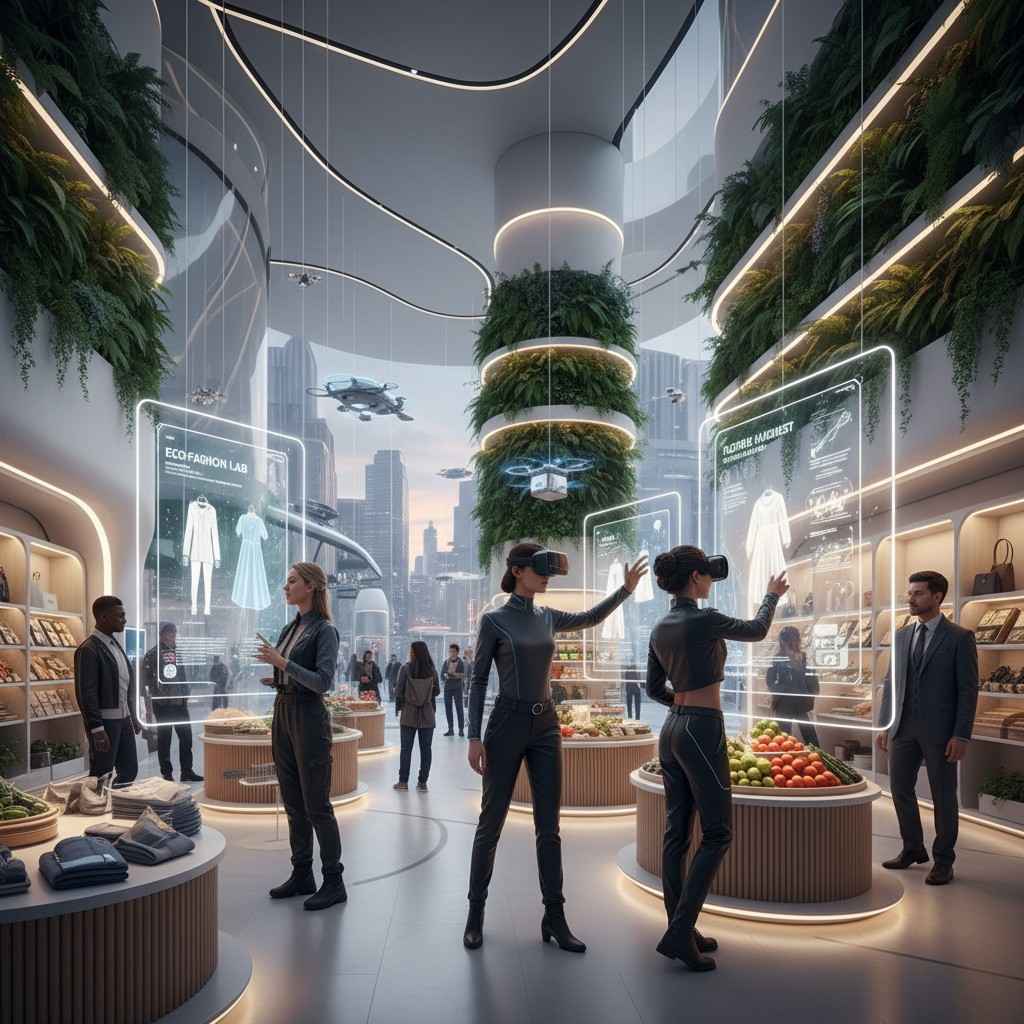
The retail landscape is changing rapidly around us. With consumer requirements changing in line with fast-evolving technology, keeping the doors open or even running a rudimentary online storefront is just not going to cut it. The US retail sales are estimated to increase by 3.5% YoY in 2026 based on projections from experts at Bain & Company. To become part of that continuing expansion, a robust vision and plan are required.
Today, shoppers expect frictionless digital encounters, hyper-customized propositions and brick-and-mortar locations that create retail theatre. They even wish to shop from brands that reflect their personal values. To survive, one must adapt to these multifaceted demands. If you take steps to adapt your brand to the evolving nature of the industry, people will always come back for more. In this blog post, we tackle four key strategies you can use today to change with the consumer needs and achieve long-term growth.
Embracing unified omnichannel strategies
Modern consumers do not perceive personalized brands in silos. They want to flow seamlessly between your website, social media channels, mobile app and brick-and-mortar store. Unified commerce must connect the dots in these touchpoints for a retail business to succeed.
This means combining your inventory, sales and customer service information into one seamless process. A customer should be able to add something via your Instagram page and pay for it on their desktop and then easily return that product at a local brick-and-mortar store. Retailers that eliminate friction across these channels will generate greater brand loyalty and drive sales that would otherwise be lost due to cart abandonment.
Driving personalization through data analytics
Generic marketing blasts are becoming less effective. That retail space is now in a place where we need hyper-personalization driven by AI and real-time data analytics. You trained on past purchase history, browsing behavior, and demographic data to provide a personalized shopping experience to users.
This is more than seeing a customer’s first name in the email. Personalization is recommending products according to what has already been seen, discounts on frequently bought items at the right time and changing the layout of the website depending on customer needs. Customers are much more likely to purchase and return as repeat customers if they feel understood by you.
Transforming the in-store physical experience
It is not the end of physical retail; however, the way and purpose it serves is changing rapidly. Retailers have to do something that a screen simply cannot do in order to draw people out of their homes and into physical spaces. A concept called experiential retail that emphasizes unique and interactive environments.
Trends in our Industry show that the more savvy Retailers are hosting heavy, heavily cluttered inventory displays on the shop floor as well. Rather, they leave room for modular designs, increased shopper comfort and product demonstrations in an interactive manner. In-store experiences might range from a space devoted to testing hiking equipment, to free styling sessions or using your store as an experiential workshop, but whatever is hosted, turning the bricks & mortar into an experience destination will generate footfall and support brand affinity.
Prioritizing sustainable practices and ethical sourcing
Ethical and sustainable business is no longer something relegated to the fringe. And they are some of the main drivers behind every day buying behavior. According to The Roundup, products with sustainability claims have grown 2.7 times faster than those without such claims. Additionally, the worldwide market for sustainable goods is expected to be $150 billion by 2025.
Consumers want to know where materials come from and how workers are treated. With an increasing demographic, you can appeal to this market by auditing your supply chain for ethical labor practices and minimizing excess packaging while using recycled or sustainable materials. Communicating all these actions honestly and transparently—without the risk of greenwashing—goes a long way in generating trust and making your label the go-to choice for responsible fashion.
Taking the next steps for retail growth
The future of retail is for those businesses that are adaptable, customer-focused and daring to be different. Exceeding 2026 requires the elimination of all barriers between sales channels, using data to view customers as individuals rather than segments, making stores the main attraction again, and committing to sustainability in everything that you do.
Let you audit your current customer journey from there. Find one point of friction, be it a complicated online checkout experience or an opaque supply chain, and create a plan to resolve it. If you are not sure where to start, look at some new inventory management systems that can help centralize your online and offline sales information.
