

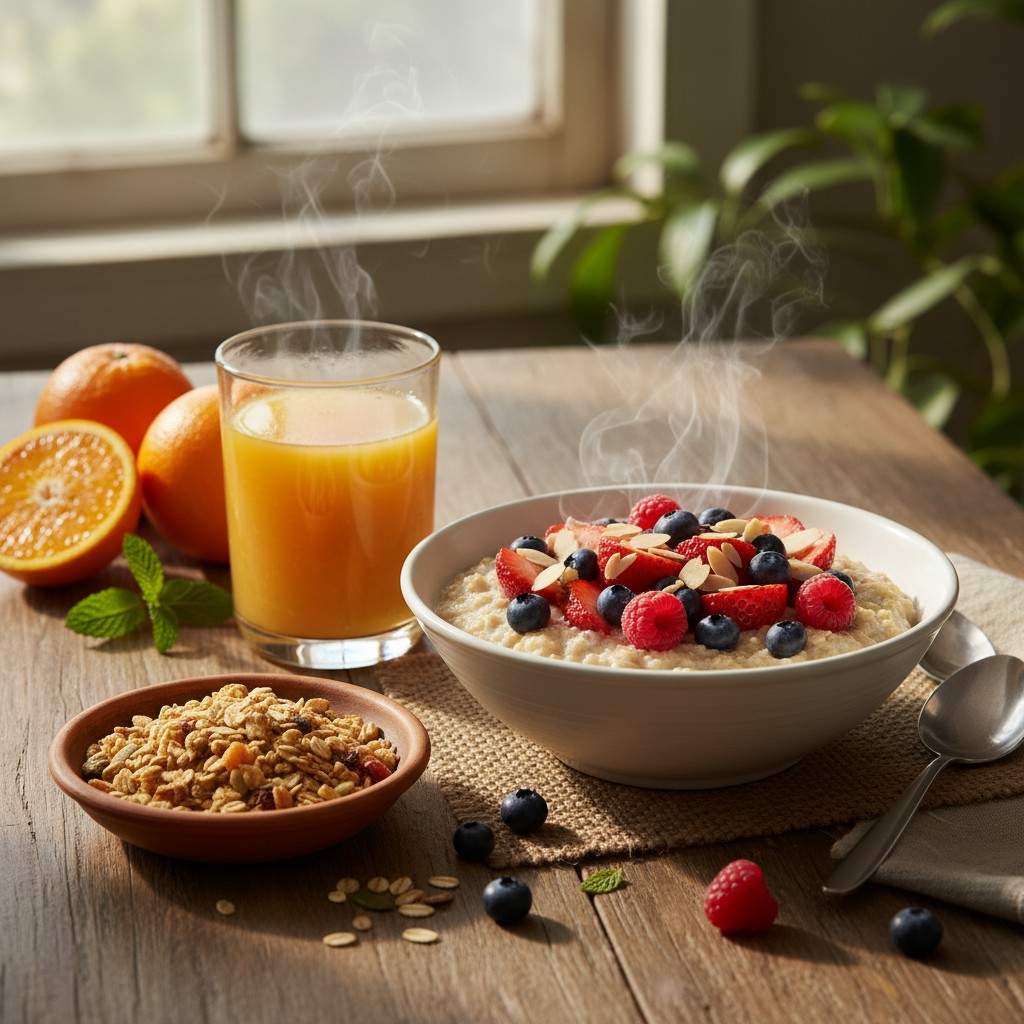
How you eat breakfast determines how your day will go, and eating healthy food helps your heart condition improve. A breakfast that consists of whole grains, fruit and nutritional food can help keep sodium, added sugar and fat in check and also assist you in achieving your nutritional goals. That is what an AHA breakfast consists of.
The best part is that you don’t need to know how to cook to have breakfast in the morning. Just a few simple ingredients are all you need to have breakfast in the morning. Varying what you eat can help protect your heart as well as fuel your body.
Why Breakfast Matters for Heart Health
Lack of breakfast or grabbing a sweet pastry can cause nutrient deficiencies and leave you vulnerable to energy crashes later. Having a well-structured breakfast supports blood sugar levels and helps you to feel satiated until lunch or dinner.
Breakfast helps in preventing overconsumption of foods in the following meals. The American Dietary Guidelines suggest that added sugar, saturated fat, and sodium (2,300mg) should be consumed in minimal quantities. Having nutrient-dense foods in the morning helps and sets you up for the day.
Top Fiber-Rich Ingredients to Include
Fiber is your heart’s best friend. It helps lower cholesterol, stabilize blood sugar, and keep you feeling full. Here are some breakfast staples that deliver:
Oats: Whole-grain oats are rich in soluble fiber and incredibly versatile. Use them in overnight oats, warm oatmeal, or homemade granola.
Berries: Blueberries, strawberries, and raspberries pack antioxidants and fiber into every handful. Add them to yogurt, oatmeal, or smoothies.
Nuts and Seeds: Walnuts, almonds, chia seeds, and flaxseeds provide healthy fats and protein. Just remember to choose unsalted varieties to keep sodium in check.
Whole-Grain Bread: Swap white bread for 100% whole-wheat or whole-grain options. Check the ingredient list—the first ingredient should be a whole grain.
Bananas: This potassium-rich fruit pairs perfectly with peanut butter, oats, or yogurt.
Quick and Easy Recipe Ideas
Busy mornings don’t have to mean sacrificing nutrition. Here are three simple recipes that come together in minutes:
Banana-Walnut Overnight Oats
Combine ½ cup raw oats, ¼ cup low-fat plain Greek yogurt, ¼ cup fat-free milk, ½ sliced banana, 4 chopped walnuts, and 1 teaspoon honey in a jar. Refrigerate overnight and grab it on your way out the door.
Berry Smoothie Bowl
Blend 1 cup frozen mixed berries, ½ banana, ½ cup fat-free milk, and a handful of spinach. Pour into a bowl and top with unsalted almonds, chia seeds, and fresh fruit.
Whole-Grain Toast with Avocado
Toast a slice of 100% whole-wheat bread and top with mashed avocado, a sprinkle of black pepper, and sliced tomatoes. Pair with a piece of fruit for a complete meal.
Tips for Reducing Sodium and Added Sugars
Many breakfast foods—like cereals, breads, and packaged bars—contain hidden sodium and added sugars. Here’s how to avoid them:
- Read nutrition labels carefully: Look for products with less sodium, no added sugars, and minimal saturated fat. The American Heart Association’s Heart-Check mark can guide you toward certified heart-healthy options.
- Choose unsweetened varieties: Opt for plain yogurt, unsweetened oat milk, and cereals without added sugars. You can always add fresh fruit for natural sweetness.
- Cook at home more often: Preparing breakfast yourself gives you full control over ingredients. Use herbs and spices instead of salt to add flavor.
- Watch your portions: Even healthy foods can contribute excess calories if portions are too large. A serving of nuts, for example, is about ¼ ounce—roughly a small handful.
Build Lasting Heart-Healthy Habits
You could develop habits that are beneficial in the long term. Routine heart-healthy breakfasts reduce your chances of chronic diseases.
The Dietary Guidelines recommend prioritizing variety in all meals. Nutrient-dense meals help us in the short and long term. Building better habits for breakfast that include vegetables, fruits,
And even whole grains, as well as plant proteins and low-fat dairy, will help us build the foundation for better breakfasts.
Meaningful changes are in the details. Picking yogurt with berries, oat cereal, and whole-grain bread will develop habits that are beneficial in the long run.
Start Tomorrow Morning Strong
You do not need to spend a lot of time or money to make a heart-healthy breakfast. Make sure to include whole grains like oats or whole wheat bread, fruits, nuts, and low-fat dairy. Sugars, saturated fats, and sodium should be limited. Most importantly, make it a habit.
With time, your heart will appreciate it more and more.
